

Startling Fact: Traditional sales outreach fails over 70% of the time, yet teams using high-status sales outreach techniques report significantly higher engagement and closing rates. This shift from “selling” to “elevating” experts redefines how effective sales processes work in today’s market.
In the evolving world of sales, the approach you take with your first outreach message can determine your success or failure. High-status sales outreach provides a revolutionary path by focusing on manufacturing authority instead of merely selling services. This article unveils why traditional selling methods falter and how you can master outreach that instantly elevates your status with prospects, opening doors to meaningful, fruitful conversations.
Startling Facts About High-Status Sales Outreach: Why Traditional Selling Fails
Conventional sales outreach methods frequently falter because they position the salesperson as a petitioner, asking for attention and favors. When reps pitch products or services upfront—whether it be SEO, AI solutions, or marketing services—they risk being perceived as low-status and easily ignored. In fact, many sales emails, calls, and proposals are swept aside because they don’t grant recognition to the prospect.
High-status sales outreach, on the other hand, flips this dynamic by elevating the prospect from the very first interaction. Instead of asking, the salesperson gives recognition, positioning themselves as kingmakers rather than petitioners. CJ Coolidge of Stratalyst Media encapsulates this transformation perfectly: “You only get $10K checks when you stop selling services and start elevating experts. Your reps are kingmakers, not petitioners.”
This core mindset is what differentiates successful outreach from the ignored pitches clogging inboxes worldwide.
What You'll Learn: Mastering High-Status Sales Outreach for Effective Sales Processes
- Understanding the psychological foundation of status in sales outreach
- How to craft high-status openers that elevate prospects
- The role of authority and credibility in successful sales teams
- Avoiding common pitfalls in outreach strategy
- Leveraging expert insights to transform your sales process
The Sales Process Reimagined: From Selling Services to Manufacturing Authority
Why High-Status Sales Outreach Outperforms Traditional Methods
Traditional selling focuses on pushing services or products, often forcing prospects into defensive mindsets that trigger skepticism or outright rejection. Sales reps typically start by explaining features or offering demos, asking the prospect to “buy in,” which subtly signals low status. This approach makes the messaging predictable and commoditized—just one vendor among many.
High-status sales outreach disrupts this by manufacturing authority from the outset. It’s less about what you sell and more about who you make the prospect feel like. Instead of pitching AI or SEO solutions upfront, reps invite prospects to be featured as recognized experts, turning the interaction into an opportunity for the prospect to gain credibility and status. This elevated stance changes not just the conversation but also the willingness of prospects to engage meaningfully. The resulting interactions are more collaborative, less transactional, and far more likely to close. For a deeper dive into how these strategies are implemented in real-world sales teams, you can explore additional insights on high-status sales outreach approaches and their impact on authority building.

The Psychological Engine Behind High-Status Sales Outreach: Expectation States and Status Theory
According to Status Theory, the very first impression answers a silent question—are you asking or are you giving? If the outreach comes off as asking for something, the sender is automatically assigned a lower status
CJ Coolidge, of Stratalyst Media, articulates this key insight: “You don’t wear the crown. You give the crown.”
This mindset shift helps explain why many sales emails go unanswered and calls get ignored—it’s all about who controls status during the exchange.
How Status Dynamics Affect Email Responses, Calls, and Proposals
When sales outreach lowers the sender’s status by making requests or sounding like every other pitch, recipients subconsciously reject or overlook it. Emails asking for demos or service meetings fall flat because they confirm low status, leading prospects to ignore, delay, or demand discounts.
Conversely, outreach that imbues the prospect with status recognition evokes psychological reciprocity—they feel chosen, recognized, and indebted to respond. As a result, email response rates climb, cold calls warm up rapidly, and proposals move forward with far fewer objections. Harnessing these status dynamics is what sets successful sales teams apart from those stuck in ineffective habits.
Crafting the Only Acceptable First Outreach: High-Status Openers That Work
Conventional openings like “We help businesses with…” or “Can I show you a demo?” invariably collapse your status and signal the wrong message
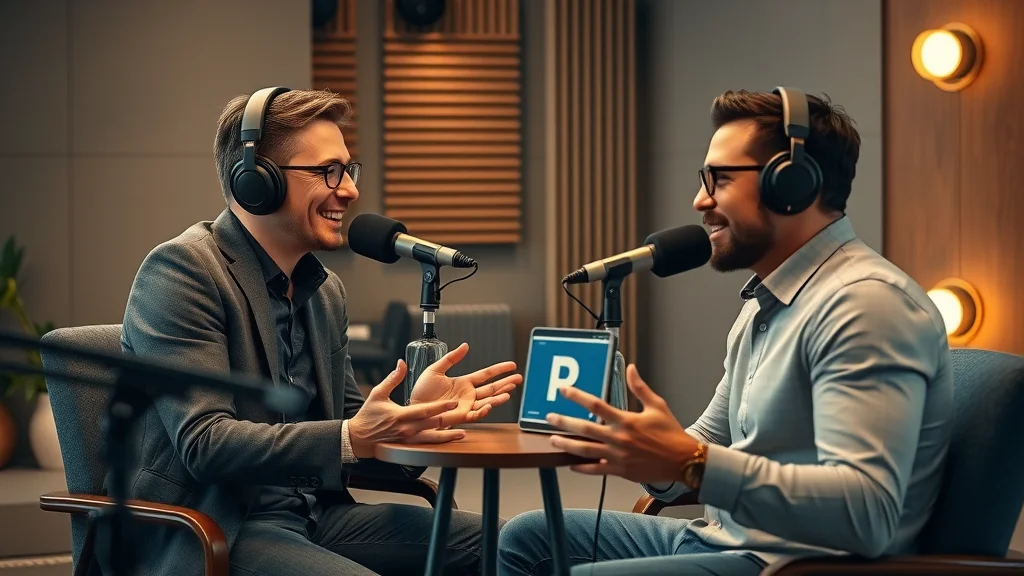
The only proven high-status openers instead mirror media outreach tactics—think invitations rather than pitches. Lines such as “We’re featuring select experts in your space, and I’d like to include you.”
or “We’re publishing a spotlight on leaders in [industry] and your name came up.”
immediately elevate the prospect’s status and pique curiosity without any selling or explaining.
- “We help businesses with…”
- “We offer marketing…”
- “We do SEO / content / AI…”
- “Can I show you a demo?”
Avoid these phrases as they signal low status and reduce your response rates.
Examples of High-Status Openers That Mirror Media Outreach
Reps can use invitations that feel natural and prestigious, similar to podcast or journalist interview requests. This approach activates the prospect’s sense of being chosen and valued as an expert, setting a tone of authority from first contact.
Examples include phrases such as “We’re featuring select experts in your sector” or “Your name came up as a thought leader we’re spotlighting.” These openers make the prospect part of an exclusive group rather than a sales target, generating immediate goodwill and engagement.
The Agentic Journalist Interview: The Ultimate Demo in High-Status Sales Outreach
Selling software demos have become predictable and often fail to capture attention. Instead, high-status sales outreach uses the Agentic Journalist Interview as the ultimate demo. This is not pitching a product; it’s providing an experience where the prospect’s authority is showcased.
As the Base Elevating Experts put it: “Your reps are not selling. They are letting prospects experience authority firsthand.”
The interview process elevates prospects by publishing their story and insights, which triggers psychological reciprocity and positions them as thought leaders.
How the Interview Elevates Prospects and Triggers Reciprocity
The interview simultaneously
- Elevates the prospect’s status publicly
- Demonstrates the rep’s capability without overt pitching
- Triggers subconscious feelings of gratitude and reciprocity
This multi-faceted effect means prospects see themselves as chosen authorities published for their expertise—making them far more open to continuing the sales conversation. It fundamentally reframes selling as authority sharing.

Transitioning to the Sale: When and How to Preserve Status in Sales Outreach
Where many sales teams stumble is in rushing to pitch immediately after delivering authority. Bombarding prospects with pricing decks, feature stacks, and package pushes kills the delicate status balance and erodes reciprocity.
The only effective transition happens when the prospect compliments the article or feature. At that moment, reps can respond with a subtle and status-preserving line such as: “A lot of businesses ask if we can install this on a recurring basis. We’ve opened a division that does exactly that.”
Then, reps should pause and let the prospect take the lead, fostering respect and authority.
- Pitch immediately
- Stack features
- Show pricing decks
- Push packages
What You Are Actually Selling: The Authority Engine and Credibility System
The focus is less on tangible services or products and more on offering a transformative system that builds credibility at scale. CJ Coolidge shares the crucial insight: “We are no longer in a content crisis. We are in an authority crisis.”
This repositioning upgrades how your sales reps speak about what they offer—from articles and automation to an Authority Engine that leverages expert intelligence.
Reps must articulate their value as a credibility system that elevates human and algorithmic recognition, thus engaging both machine filters (like Google’s EEAT standards) and human perception simultaneously.
The Dual-Filter Insight: Balancing Machine and Human Trust in Sales Outreach
How Agentic Journalist Solves Both Filters Simultaneously
In today’s market, prospects ask a dual-layered question: Can I trust this source? Machines like search engines and large language models evaluate authenticity and authority scientifically, while humans instinctively read social status signals
The Agentic Journalist mechanism fuses these requirements, producing content that passes machine authenticity filters while elevating status for human viewers. This unique combination explains high deal closures without resistance in high-ticket sales. Your reps should communicate this simply: that their offering meets both human and machine demands for trusted authority.

The Referral Flywheel: Why Cold Calling Is Becoming Obsolete in Modern Sales Teams
How Interviewing One Expert Leads to Multiple Referrals
Cold calling is rapidly dying because it’s inefficient and status-damaging. Instead, high-status sales outreach thrives on a referral flywheel: interview one expert, then ask that expert for three referrals.
This process compounds authority through social proof and network effects. Because you are publishing peers and giving status rather than selling, prospects are more willing to introduce you to their networks. This approach builds a sustainable and efficient pipeline without the pain of cold calling.

The Role of Chaos and Iteration in Developing Effective Sales Outreach Messaging
Avoiding Script-Dependence and Commodity Talk
Effective high-status sales outreach can’t be distilled into rigid scripts. The training encourages reps to embrace the chaos of real conversations, talk out loud, refine language constantly, and discard weak phrasing. This iterative process ensures messaging is authentic, clear, and impactful.
Over-reliance on scripts leads to commodity talk and feature dumping, destroying status. Instead, reps learn to position authority dynamically, adjusting to prospect feedback and evolving language for maximum engagement.
Daily Habits of a Power Sales Rep Using High-Status Outreach
Power reps embody the principles of authority orchestration daily. They don’t pitch—they make interview offers. They think in terms of status dynamics and invest time refining messaging with tools like Idealab. Results, not persuasion, drive their conversations.
As noted by the Base Elevating Experts, “The rep’s job is not persuasion. It is authority orchestration.”
This mindset distinguishes top performers who consistently close high-value deals.
The Litmus Test: Identifying Ready and Dangerous Sales Reps
- Not ready: “We help businesses get more visibility…”
- Getting close: “We feature experts and publish authoritative intelligence that positions them as leaders.”
- Dangerous: “We elevate experts in a way both humans and algorithms recognize as credible.”
Reps passing this test possess the language and perspective to truly drive high-status sales outreach.
People Also Ask: Common Questions About Sales Outreach and Effective Sales Strategies
What is the 3 3 3 rule in sales?
The 3 3 3 rule suggests you have roughly 3 seconds for your introduction, 3 minutes to deliver value in your pitch, and 3 key benefits to focus on. This rule helps keep sales outreach concise and engaging, aligning well with high-status outreach that prioritizes authority quickly.
What does outreach mean in sales?
Outreach in sales refers to the proactive communication efforts made to connect with potential buyers, often involving cold calls, emails, or social media contacts. In high-status sales outreach, outreach is refined to invitations that elevate the prospect rather than traditional pitching.
What are the 5 F's in sales?
The 5 F’s stand for Find, Frame, Fulfill, Follow-up, and Fix. They are key stages in managing sales relationships effectively, with framing particularly critical in high-status sales outreach to properly position authority and status from first contact.
What is the 2 2 2 rule in sales?
The 2 2 2 rule means giving 2 reasons for your call, 2 questions to engage the prospect, and ensuring 2 benefits are clear. This structure complements high-status outreach by keeping communication focused and benefits elevated.
Tables: Comparison of Traditional vs. High-Status Sales Outreach Approaches
| Aspect | Traditional Sales Outreach | High-Status Sales Outreach |
|---|---|---|
| Opening Message | Pitching services or products | Inviting experts to be featured |
| Status Dynamics | Low status, asking for something | High status, giving recognition |
| Response Rate | Low, often ignored | High, engagement and reciprocity |
| Sales Transition | Immediate pitching and feature stacking | Wait for authority delivery and compliments |
| Cold Calling | Common and necessary | Rare due to referral flywheel |
Key Takeaways: Elevate Your Sales Outreach with Authority and Status
- Shift focus from selling services to elevating experts to manufacture authority.
- Use high-status openers that mirror media outreach to gain immediate trust.
- Leverage the Agentic Journalist interview as a powerful demo tool.
- Preserve status by avoiding premature pitching and feature dumping.
- Utilize referral flywheels to build networks and reduce cold calling.
- Train reps to embrace chaos and refine messaging for clarity and impact.
Conclusion: Transform Your Sales Team with High-Status Sales Outreach
Adopt high-status sales outreach strategies to manufacture authority, elevate your prospects, and close larger deals without chasing clients.
Call to Action
Ready to elevate your sales process with high-status outreach? Contact CJ Coolidge at Stratalyst Media or connect with him on LinkedIn to learn more about transforming your sales team’s effectiveness
Sources
For those looking to expand their understanding of high-status sales outreach and its broader implications for business growth, the Stratalyst Media Home page offers a wealth of resources and strategic perspectives. Discover how adopting an authority-driven approach can transform not just your sales team, but your entire organizational mindset—unlocking new levels of trust, influence, and long-term client relationships.


Write A Comment